Introduction
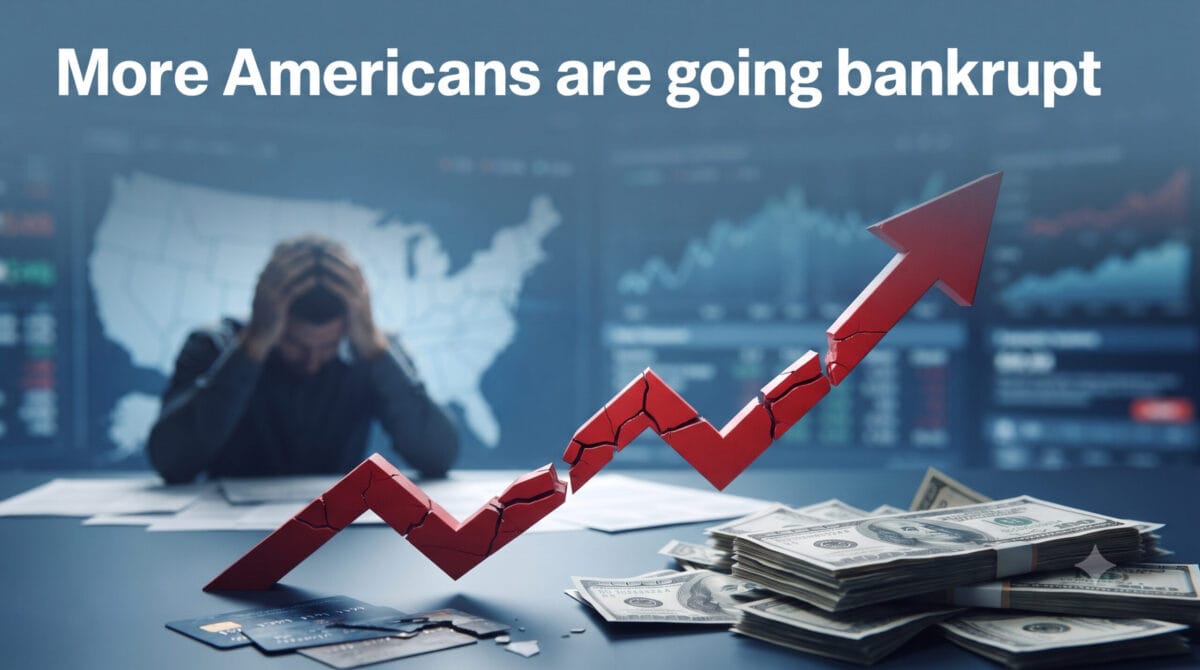
More Americans are going bankrupt today as a harsh economic reality sets in across households nationwide. For years following the global disruptions of the early 2020s, economic survival seemed manageable through a combination of pandemic-era savings, low interest rates, and temporary government relief programs. However, those safety nets have long since evaporated. Today, the reality that more Americans are going bankrupt highlights the deep-seated financial pressures accumulating in the modern U.S. economy.
Recent filings data from the Administrative Office of the U.S. Courts and analytics providers like Epiq AACER paint a vivid picture of escalating financial distress. Total bankruptcy filings have climbed steadily year over year, rising past previous post-pandemic lows. While overall figures remain below the historic peaks seen during the Great Recession, the upward trajectory is unmistakable.
Why are everyday citizens finding themselves cornered by unmanageable debt? The answer is not found in a single isolated crisis, but rather in a compounding series of pressures. Sticky inflation, elevated borrowing costs, depleted household cushions, and persistent structural expenses have converged. This comprehensive guide explores the deep-seated factors driving this surge, the evolving demographics of modern filers, the legal structures available, and what this trend means for the broader American economy.
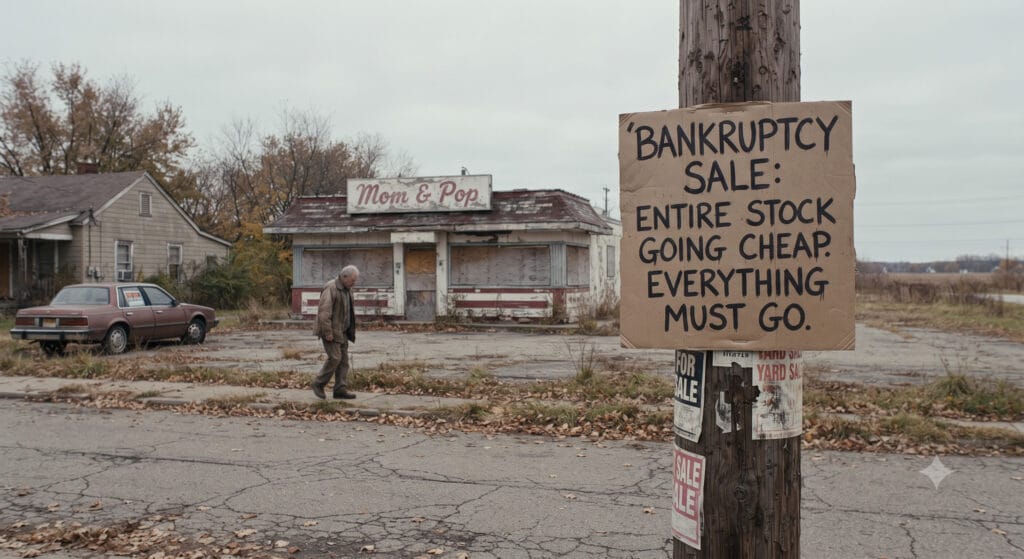
Table of Contents
The Current Landscape of Bankruptcy Filings
To understand how financial distress is manifesting across the United States, one must look closely at the numbers. Following historic lows in 2020 and 2022, U.S. bankruptcy filings have rebounded significantly. Data compiled for recent tracking periods reveals that total filings have surged by double-digit percentages year-over-year.
Consumer filings, which make up the vast majority of all insolvency cases, have experienced the sharpest upward pressure. Chapter 7 filings—often considered a primary lagging indicator of severe consumer distress because they involve the liquidation of assets to wipe out unsecured debt—have seen double-digit annual increases. Meanwhile, Chapter 13 filings, which involve court-supervised repayment plans, continue to absorb households trying desperately to save their homes from foreclosure or restructure their liabilities over a three-to-five-year window.
Commercial filings have also drifted upward, albeit at a more modest pace. Small business owners, facing higher credit hurdles, shifting consumer spending habits, and commercial rent inflation, have increasingly turned to specialized tools like Subchapter V of Chapter 11. These trends indicate that financial strain is not isolated to low-income brackets; it is piercing the middle class and rippling through small enterprises. More Americans are going bankrupt
Primary Drivers Behind the Surge in Insolvencies
Why are more Americans are going bankrupt now than in recent years? Financial experts, legal scholars, and economists point to several compounding catalysts that have severely eroded family budgets.
1. The Long Shadow of Inflation and Cost of Living
Even as the hyper-inflationary spikes of previous years have moderated, price levels have not receded. The cumulative effect of years of elevated prices means that routine essentials—groceries, utilities, insurance, and housing—consume a much larger portion of household income than they did prior to the decade’s turn. Wages have struggled to keep pace with these permanent baseline shifts, leaving families with zero margin for error when an unexpected expense occurs.
2. High Interest Rates and the Credit Card Trap
For over a decade, consumers enjoyed an era of cheap credit. That era ended abruptly as central bank rate hikes filtered down into everyday borrowing products. Credit card annual percentage rates (APRs) reached historic highs, making revolving debt exponentially more expensive to service. When households can no longer pay their monthly statement balances in full, compounding interest creates a financial trap. Minimum payments balloon, consuming available cash flow until default becomes inevitable.
3. Depleted Pandemic Savings and Expired Relief
During the initial years of the decade, federal stimulus checks, expanded child tax credits, student loan pauses, and mortgage forbearance programs artificially suppressed bankruptcy rates. Consumers sat on temporary cash cushions. As these programs expired and savings rates dwindled back to historic lows, families lost their primary shock absorbers. Without emergency funds, a single car repair or minor job disruption can trigger a tailspin into insolvency. More Americans are going bankrupt
4. Healthcare Costs and Medical Debt
Medical debt remains one of the most uniquely punishing drivers of American bankruptcy. Despite expansions in insurance coverage, high-deductible health plans leave individuals exposed to massive out-of-pocket expenses during a health crisis. Studies consistently show that a significant percentage of consumer bankruptcy petitioners cite medical bills or the associated loss of work income due to illness as a primary catalyst for their filing.

Changing Demographics: Who Is Filing Today?
The profile of the average American filing for bankruptcy has evolved over the past two decades. While traditional stereotypes once painted filers as reckless spenders, modern sociological and economic research paints a far more nuanced picture. More Americans are going bankrupt
The Rise of Senior Bankruptcies
Perhaps the most alarming demographic shift is the rapid increase in bankruptcy filings among older adults. Research from the Consumer Bankruptcy Project highlights that Americans aged 65 and older have become the fastest-growing segment of bankruptcy filers. More Americans are going bankrupt
This trend is driven by several systemic issues:
- Inadequate Retirement Savings: Many seniors enter retirement with structural mortgage debt or insufficient nest eggs.
- Rising Healthcare Outlays: Fixed incomes struggle to absorb soaring Medicare premiums, prescription drug expenses, and long-term care costs.
- Pension Erosion: The transition away from defined-benefit pensions toward defined-contribution accounts has shifted market risks directly onto individuals. More Americans are going bankrupt
Middle-Class Vulnerability
The vast majority of consumer bankruptcy petitioners are middle-class workers holding steady jobs. They are teachers, nurses, administrative professionals, and retail workers who find that their regular paychecks simply cannot stretch across housing, transportation, and debt servicing obligations. Job displacement or a reduction in overtime hours can instantly tip these households from stability to insolvency. More Americans are going bankrupt
Understanding the Legal Avenues: Chapter 7 vs. Chapter 13
When individuals realize that restructuring outside of court is no longer viable, they typically look to federal bankruptcy law for relief. The two primary paths for consumers are Chapter 7 and Chapter 13.
Chapter 7: Liquidation and Fresh Start
Chapter 7 is often referred to as “straight bankruptcy.” It involves the appointment of a trustee who evaluates the debtor’s non-exempt assets, liquidates them to pay creditors, and discharges the remaining unsecured debts (such as credit cards and medical bills).
- The Means Test: To qualify for Chapter 7, filers must pass a “means test” that compares their income to the median income of their state. If their income is below the median, they qualify automatically. If it is higher, calculations are performed to determine disposable income.
- The Benefit: It offers a rapid legal discharge, typically concluding within a few months, completely wiping the slate clean of eligible debts. More Americans are going bankrupt
Chapter 13: Wage Earner’s Plan
Chapter 13 is designed for individuals with a steady income who have regular debts but possess assets they wish to protect (such as a home facing foreclosure).
- The Repayment Structure: Instead of liquidating assets, the debtor proposes a three-to-five-year court-approved repayment plan. They make a single monthly payment to a bankruptcy trustee, who distributes the funds to creditors.
- The Benefit: It stops foreclosure proceedings, allows catch-up time on secured debts, and provides legal protection from aggressive creditor collection actions.
The Economic Ripple Effects of Rising Insolvencies
An uptick in bankruptcy filings is not merely a personal tragedy for individual households; it carries systemic implications for the entire U.S. economy. More Americans are going bankrupt
[ Rising Household Debt ]
        ↓
[ Depleted Savings & Sticky Inflation ]
        ↓
[ Missed Payments & Delinquencies ]
        ↓
[ Surge in Consumer Bankruptcies ]
        ↓
[ Tightened Lending Standards & Economic Caution ]
When default rates and bankruptcies climb, financial institutions respond by tightening lending criteria. Credit scores required to secure mortgages, auto loans, and personal lines of credit drift higher. Interest rates for consumer credit may also stay elevated as lenders price in higher default risks. Furthermore, local and regional economies feel the pinch as debt-burdened consumers drastically scale back discretionary spending, impacting retail, hospitality, and service sectors. More Americans are going bankrupt
Practical Steps to Avoid Financial Insolvency
While bankruptcy is a legally protected and honorable mechanism for a fresh financial start, avoiding the emotional and financial toll of court proceedings is always preferable. Individuals can take proactive steps to fortify their financial health:
- Build an Emergency Fund: Aim to set aside three to six months of essential living expenses in a high-yield savings account to absorb unexpected shocks.
- Prioritize High-Interest Debt: Tackle revolving credit card balances aggressively using debt avalanche or snowball repayment methods to reduce monthly interest burdens.
- Create a Realistic Zero-Based Budget: Track every dollar coming in and going out to identify non-essential subscriptions and spending leaks.
- Communicate Early with Creditors: If facing hardship, contact mortgage lenders, credit card companies, or student loan servicers immediately to explore hardship programs or modified payment terms before accounts head toward charge-off.
- Seek Nonprofit Credit Counseling: Certified credit counselors can help formulate legitimate debt management plans without resorting to formal bankruptcy.
Conclusion
The reality that more Americans are going bankrupt serves as a flashing indicator of the underlying financial strains present in modern households. Driven by the permanent elevation of living costs, high borrowing rates, medical burdens, and the exhaustion of pandemic-era safety nets, insolvency has become an unavoidable refuge for hundreds of thousands of individuals and families seeking a clean slate.
While a bankruptcy filing carries immediate drawbacks—including severe credit score impacts and temporary hurdles in obtaining new credit—it is ultimately designed to provide a legal pathway out of insurmountable distress. As macroeconomic policies, consumer debt levels, and labor markets continue to evolve, monitoring these filing trends remains essential for understanding the true financial health of the American public. More Americans are going bankrupt
Disclaimer
The content published on cfostimes.com—including articles, market updates, tax insights, and economic analysis—does not constitute professional financial, investment, legal, or tax advice. The views and opinions expressed in our articles are those of the authors and do not necessarily reflect the official policy or position of any corporate entity, financial institution, or regulatory body.
For professional guidance on statutory compliance, you may also reference the United States Courts guidelines on Bankruptcy Basics. Readers should consult a licensed bankruptcy attorney or a certified financial planner before making major financial decisions or filing legal documents. More Americans are going bankrupt
Frequently Asked Questions (FAQs)
1. What are the main reasons Americans file for bankruptcy?
The most common triggers include unexpected medical bills, job loss or reduction in income, mounting credit card debt, divorce, and the exhaustion of personal savings amidst high inflation.
2. Does filing for bankruptcy wipe out all types of debt?
No. While bankruptcy successfully discharges unsecured debts like credit cards, medical bills, and personal loans, it generally does not eliminate student loans, child support, alimony, recent tax debts, or secured debts like mortgages and car loans if you wish to keep the collateral. More Americans are going bankrupt
3. How long does a bankruptcy stay on a credit report?
A Chapter 7 bankruptcy remains on your credit report for up to 10 years from the filing date, while a Chapter 13 bankruptcy typically stays for 7 years. However, many individuals begin rebuilding their credit scores much sooner through secured cards and responsible budgeting.
4. Are bankruptcy filings currently higher than pre-pandemic levels?
No. While filings have risen consistently over the past few consecutive years, total annual filings remain well below historical pre-pandemic levels and the historic peaks recorded following the 2008 financial crisis.

Dr. Dinesh Kumar Sharma is a CMA an award-winning Chief Financial Officer and Director of Finance with over 25 years of expertise in strategic planning and digital transformation. Recognized as a five-time CFO of the Year, he specializes in leveraging Generative AI and Microsoft Copilot to optimize financial forecasting and cost management. Dr. Sharma holds a Doctorate in Management (Finance) and has successfully scaled organizations from INR 1 billion to INR 7 billion. He is dedicated to providing transparent, data-driven insights for modern decision-makers at CFOs Times.









3 thoughts on “Why More Americans are going bankrupt: U.S. Insolvencies Are Surging 35%”