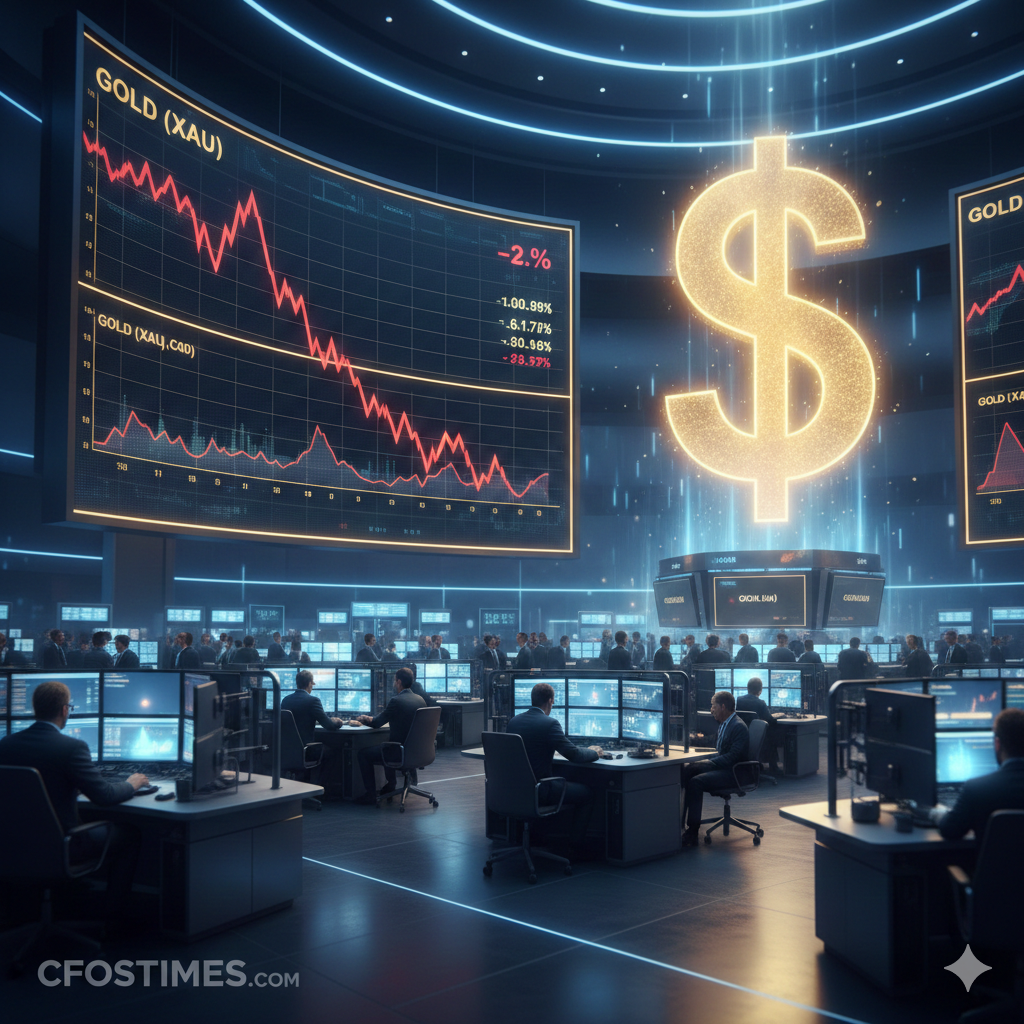
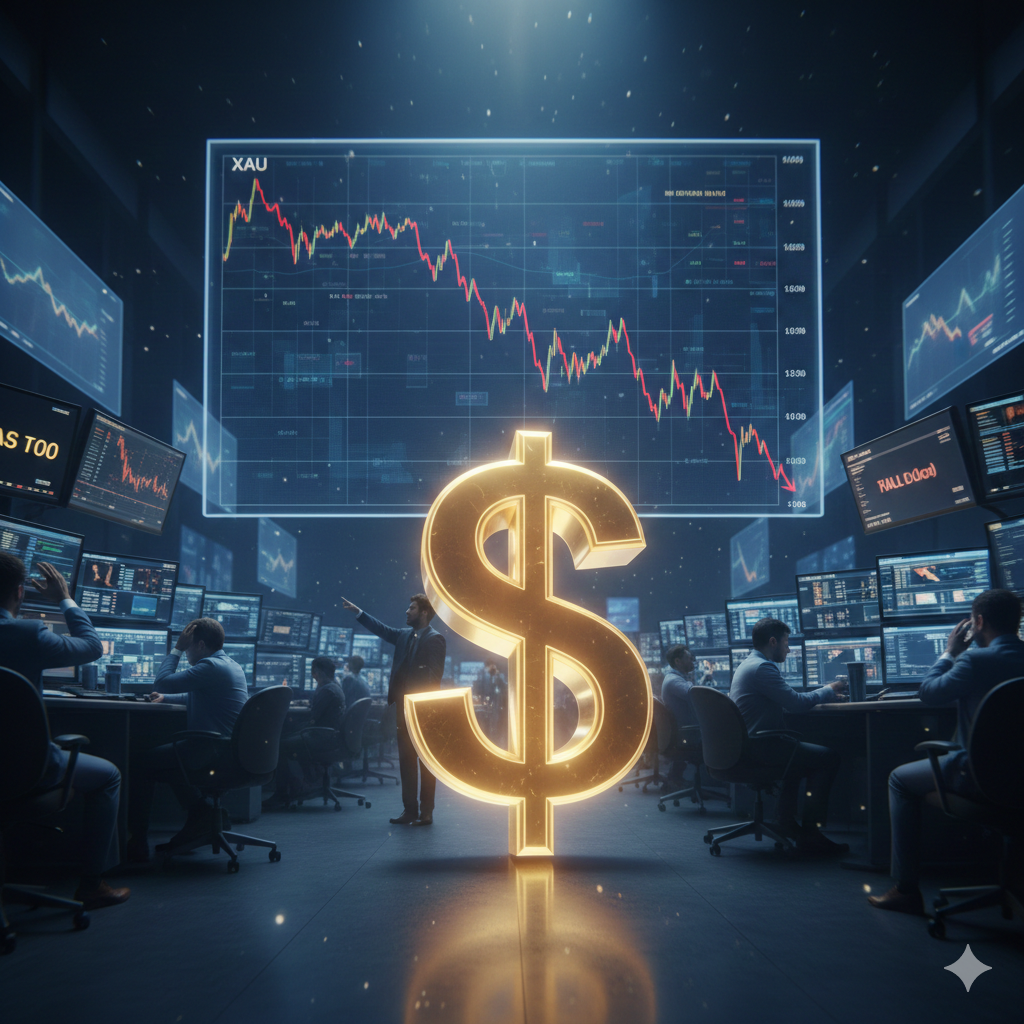
The global financial landscape has been fundamentally reshaped in the last 30 minutes following bombshell reports regarding a potential Russia-US dollar return. This sudden geopolitical pivot has sent shockwaves through the commodities markets, causing a historic “flash crash” in gold and silver as the long-standing “de-dollarization” narrative faces its most significant challenge yet.
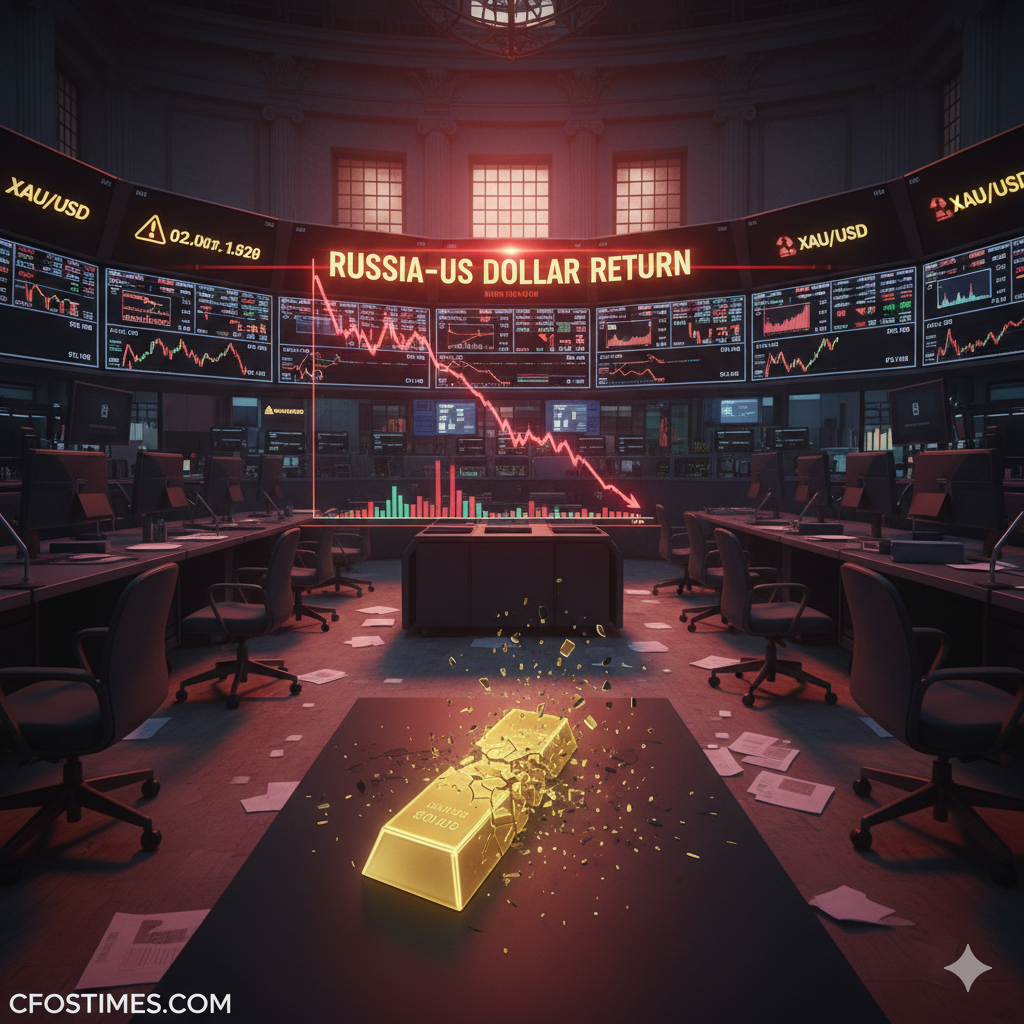
Introduction: The 30-Minute Shift that Shook Global Finance
On February 13, 2026, at approximately 1:30 PM GMT, news broke across major financial terminals that the Kremlin is considering a strategic return to the US Dollar settlement system. This move, reportedly part of a broader economic partnership with the United States involving fossil fuel production and critical raw materials, has immediately reversed years of global de-dollarization trends.
The impact was instantaneous:
- Silver prices plummeted nearly 10% in under 30 minutes.
- Gold shed roughly 3.5% ($150+) in 15 minutes, sliding back under the psychological $5,000 per ounce mark.
- An estimated $3.2 trillion in global market value evaporated within the hour as investors scrambled to price in a world where the US dollar regains its undisputed hegemony.
This article provides a deep dive into why the Russia-US dollar return is the most critical finance story of 2026, analyzing the proposed framework, the brutal reaction in precious metals, and the long-term implications for your portfolio.
The Framework of the Russia-US Dollar Return Agreement
While the full diplomatic text remains under wraps, high-level leaks suggest a five-pillar framework that seeks to reintegrate Russia into the Western financial architecture in exchange for energy and resource stability.
The Five Pillars of the Proposed Shift
- Dollarized Trade Settlement: Russia would abandon its “Rubles for Gas” policy and the use of alternative BRICS currencies, returning to SWIFT-compatible dollar transactions.
- Energy Market Stabilization: Cooperation on global fossil fuel production levels to prevent extreme price volatility.
- Infrastructure Investment: Joint ventures in Liquefied Natural Gas (LNG) and pipeline infrastructure to secure European and Asian energy needs.
- Critical Raw Materials: Preferential access for US tech firms to Russian nickel, palladium, and rare earth elements necessary for the battery revolution.
- Commercial Reciprocity: Lowering of trade barriers for US commercial interests within the Russian domestic market.
Why Gold and Silver Crashed: The Death of the Safe Haven?
For the past three years, the primary driver for gold reaching $5,000/oz was the fear of a fractured global financial system. Central banks worldwide had been stocking up on bullion to hedge against a failing US dollar.
The Russia-US dollar return news effectively killed that “fear premium” in minutes. When the world’s most vocal advocate for de-dollarization considers returning to the Greenback, the necessity for a gold hedge diminishes.
Market Price Action Table (Feb 13, 2026)
| Asset | Price (Pre-News) | Price (Post-News) | % Change |
| Gold (Spot) | $5,180 | $4,955 | -4.3% |
| Silver (Spot) | $84.20 | $75.80 | -9.9% |
| US Dollar Index (DXY) | 102.10 | 105.45 | +3.2% |
| Bitcoin | $142,000 | $131,500 | -7.4% |
The End of De-Dollarization? Impact on BRICS and Global Trade
The Russia-US dollar return is not just a bilateral agreement; it is a tactical strike against the unity of the BRICS+ bloc. Countries like China, India, and Brazil have been working on an alternative “BRICS Currency” to challenge the dollar. With Russia—a founding member—signaling a return to the dollar, the momentum for a non-dollar global trade system has hit a massive roadblock.
The Role of the Federal Reserve
Investors are now looking at the Federal Reserve to see if this news will influence the upcoming interest rate decision. A stronger dollar and lower commodity prices usually give the Fed more room to maintain higher rates without fueling inflation, further boosting the dollar’s attractiveness.
Strategic Analysis: What This Means for Investors
The suddenness of the Russia-US dollar return report highlights the “Geopolitical Risk” inherent in current markets.
- For Tech Investors: Lower energy costs and better access to raw materials could boost margins for AI and hardware companies like AMD and Nvidia.
- For Commodity Traders: The era of “unlimited upside” for gold may be paused. Support levels at $4,800 for gold and $70 for silver are now being watched closely.
- For Forex Traders: The USD is back in a dominant “bull run.” The Euro and Yen are expected to face significant downward pressure as capital flows back into US-based assets.
Note: Markets are currently in a state of high volatility. TheU.S. Department of the Treasuryhas not yet released an official statement, but the “unofficial” reaction from the desks at Goldman Sachs and JP Morgan suggests they are treating these reports as credible.
Conclusion: A New Chapter in Global Finance
The Russia-US dollar return marks a pivot point in history. After years of talk about a “multipolar” financial world, the gravity of the US financial system remains unmatched. While the crash in gold and silver is painful for bulls, the broader economic implications—potential energy stability and reduced geopolitical friction—could provide the “soft landing” global markets have been craving.
As we move into the final hours of trading this Friday, stay tuned to live updates, as the situation is evolving by the minute.
Frequently Asked Questions (FAQs)
1. Why did gold and silver fall so fast?
The “de-dollarization” trade was the primary pillar supporting high precious metal prices. The news of a Russia-US dollar return removed the immediate threat of a dollar collapse, causing “panic selling” by hedge funds.
2. Is the US Dollar return official?
Currently, these are high-confidence reports from major financial news agencies and institutional desks. Official government signatures from the Kremlin or the White House are expected to follow if the framework holds.
3. Should I sell my gold now?
Financial advisors suggest that while the immediate trend is bearish, gold remains a long-term store of value. However, the short-term volatility following the Russia-US dollar return news makes it a high-risk asset today.
4. How does this affect the S&P 500?
Initially, the S&P 500 saw a dip due to the “shock” factor, but it is expected to recover as a stronger dollar and cheaper energy inputs are generally positive for US corporations.
Financial Transparency Disclaimer
Last Updated: February 13, 2026
1. Not Financial Advice: The content provided on CFOSTimes.com, including all analysis regarding the Russia-US dollar return, is for informational and educational purposes only. We are not a registered investment, legal, or tax advisor. No part of this article should be construed as an offer, solicitation, or recommendation to buy or sell any security, commodity (such as gold or silver), or financial instrument.
2. Investment Risk: Investing in global markets involves significant risk. The “flash crash” and volatility discussed in this report are examples of market unpredictability. Past performance is not indicative of future results. You should consult with a certified financial professional before making any investment decisions.
3. Accuracy of Information: While we strive to provide 100% fresh and accurate news, the global financial landscape shifts rapidly. CFOSTimes.com makes no guarantees regarding the completeness or timeliness of the data presented. Use of this information is at your own risk.
4. External Links & Third-Party Content: This post contains outbound links to government-authorized sources (e.g., U.S. Treasury, Federal Reserve). We do not control and are not responsible for the content, privacy policies, or practices of any third-party websites.

Dr. Dinesh Kumar Sharma is an award-winning Chief Financial Officer and Director of Finance with over 25 years of expertise in strategic planning and digital transformation. Recognized as a five-time CFO of the Year, he specializes in leveraging Generative AI and Microsoft Copilot to optimize financial forecasting and cost management. Dr. Sharma holds a Doctorate in Management (Finance) and has successfully scaled organizations from INR 1 billion to INR 7 billion. He is dedicated to providing transparent, data-driven insights for modern decision-makers at CFOs Times.