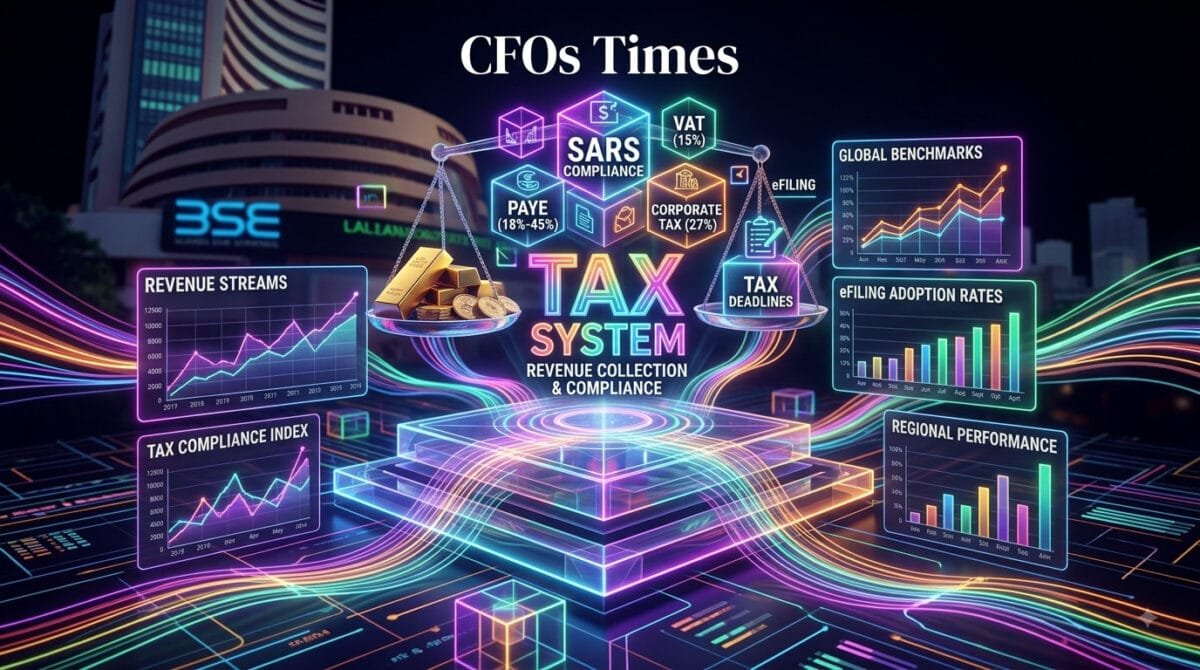
SARS VAT system Changes represent a sweeping transformation for South Africa’s fiscal landscape, marking the most significant overhaul of indirect tax administration in decades. As the South African Revenue Service accelerates its digital modernization agenda—anchored by aggressive shifts toward real-time transactional tracking, e-invoicing frameworks, and structural threshold adjustments—corporate executives, financial controllers, and business owners must adapt. Navigating these regulatory shifts requires deep insight into evolving compliance mandates to safeguard cash flow and maintain absolute legal standing.

Table of Contents
The Strategic Shift in South African Indirect Taxation
The broader economic framework governing indirect taxation is undergoing a radical technological and structural evolution. Traditional periodic self-assessment models are rapidly being replaced by automated, system-driven oversight designed to narrow the VAT compliance gap and eliminate revenue leakage. SARS VAT System Changes
Core Drivers of Modernized Tax Administration
- Real-Time Data Transmission: Moving away from retrospective, periodic filings toward continuous transaction reporting that feeds directly into centralized tax clearing hubs.
- Threshold Restructuring: Adjusting compulsory and voluntary registration limits to align with inflationary realities while streamlining administrative burdens for smaller enterprises.
- Digital Enforcement Ecosystems: Deploying advanced data analytics and machine learning algorithms by tax authorities to flag anomalies and audit discrepancies instantly.
When evaluating how the SARS VAT system impacts enterprise operations, finance leaders must examine how automated clearing protocols interact with internal ERP architectures. These operational adjustments dictate whether corporate accounting systems can handle continuous reporting requirements without disrupting supply chain velocity. To evaluate broader macroeconomic policies and national fiscal metrics, financial professionals regularly consult guidance published by the South African Revenue Service and the National Treasury of South Africa. SARS VAT System Changes

7 Vital Compliance Steps for Corporate Taxpayers
To maintain operational resilience and prevent severe statutory penalties under the evolving regulatory regime, corporate tax teams are executing seven critical compliance adjustments:
1. Re-Engineering Enterprise Resource Planning (ERP) Systems
Upgrading internal accounting and billing infrastructure to support structured, machine-readable data formats compatible with upcoming continuous reporting standards ensures seamless data flow. SARS VAT System Changes
2. Auditing Rolling Turnover Thresholds
Continuously tracking taxable supplies over rolling twelve-month periods to ensure immediate identification of compulsory registration triggers or deregistration opportunities.
3. Implementing Automated E-Invoicing Protocols
Adopting interoperable e-invoicing software capable of routing transactional data securely through centralized validation channels before final commercial settlement.
4. Refining Input Tax Verification Workflows
Strengthening supplier invoice validation processes to guarantee that every claim strictly meets statutory data requirements, preventing disallowed deductions during automated audits.
5. Managing Deemed Exit VAT Liabilities
Carefully evaluating the financial consequences of deregistration or threshold shifts, particularly regarding the accounting treatment of retained enterprise assets. SARS VAT System Changes
6. Embedding Cross-Border Digital Service Compliance
Reviewing digital supply agreements and B2B electronic service provisions to ensure accurate classification and adherence to specialized tax treatment rules. SARS VAT System Changes
7. Establishing Real-Time Reconciliation Audits
Conducting routine, automated internal reconciliations between filed VAT returns and underlying sales ledger entries to eliminate discrepancies before regulatory review.
Structural Threshold Adjustments and Legal Landscape
Recent fiscal adjustments have fundamentally redefined the boundaries of mandatory and voluntary vendor participation, providing crucial relief while introducing new compliance nuances. SARS VAT System Changes
Overview of Registration Threshold Frameworks
| Regulatory Parameter | Previous Standard | Modernized Framework | Strategic Implication |
| Compulsory Threshold | R1 Million | R2.3 Million | Reduces administrative burden for growing enterprises, delaying mandatory vendor status. |
| Voluntary Threshold | R50,000 | R120,000 | Allows smaller niche operators earlier access to input tax claiming capabilities. |
| Reporting Model | Periodic Self-Assessment | Continuous Digital Oversight | Shifts audit focus from retrospective sampling to real-time algorithmic verification. |
When assessing SARS VAT system modifications, seasoned practitioners note that structural updates require careful contract re-negotiation with non-registered suppliers and corporate clients alike. Because the SARS VAT system emphasizes strict invoice integrity, maintaining absolute accuracy across all transactional fields is paramount. For comprehensive insights into regulatory frameworks and international trade standards, corporate leaders frequently consult research provided by the International Monetary Fund. SARS VAT System Changes
The Role of Digital Invoicing and Automated Clearing
As tax authorities globally transition toward continuous controls, South Africa’s progression toward a centralized validation model mirrors advanced international frameworks designed to combat carousel fraud and invoice tampering.
- Centralized Hub Validation: Ensuring that commercial invoices are electronically cleared and validated in real time before being recognized as legal tax invoices.
- Interoperable Network Integration: Utilizing standardized protocols that allow diverse enterprise software environments to communicate effortlessly with regulatory servers.
As the SARS VAT system continues its digital rollout, organizations that proactively modernize their billing infrastructure minimize friction and secure a distinct competitive advantage in corporate procurement cycles. SARS VAT System Changes
Frequently Asked Questions-SARS VAT System Changes
What are the main changes to the VAT registration thresholds?
The compulsory registration threshold increased to R2.3 million, and the voluntary registration threshold moved to R120,000, altering criteria for vendor compliance.
How does continuous digital reporting impact daily business operations?
It requires automated, real-time data transmission of transactional records directly to tax authorities, replacing traditional periodic batch filing methods.
What steps should companies take to prepare for upcoming e-invoicing mandates?
Businesses should audit their existing ERP software, ensure invoice data granularity matches structured formatting requirements, and establish robust vendor verification controls.
Conclusion
The evolution of the SARS VAT System Changes signals a permanent transition toward total digital transparency and real-time fiscal accountability. By embracing automated compliance frameworks, optimizing threshold tracking, and re-engineering internal accounting workflows, enterprises can successfully navigate this regulatory shift and secure long-term operational stability.
Disclaimer:
The insights, analyses, and strategic frameworks presented on cfostimes.com are for informational and educational purposes only and do not constitute professional financial, legal, or investment advice. Global macroeconomic conditions, central bank policies, and financial markets are subject to rapid and continuous change. Enterprise leaders, corporate treasurers, and financial professionals should conduct independent due diligence, evaluate their organization’s specific risk profile, and consult with qualified advisors before making capital allocation, debt restructuring, or strategic investment decisions. cfostimes.com assumes no responsibility or liability for any financial outcomes or operational consequences resulting from the application of information contained in this publication.

Dr. Dinesh Kumar Sharma is a CMA an award-winning Chief Financial Officer and Director of Finance with over 25 years of expertise in strategic planning and digital transformation. Recognized as a five-time CFO of the Year, he specializes in leveraging Generative AI and Microsoft Copilot to optimize financial forecasting and cost management. Dr. Sharma holds a Doctorate in Management (Finance) and has successfully scaled organizations from INR 1 billion to INR 7 billion. He is dedicated to providing transparent, data-driven insights for modern decision-makers at CFOs Times.