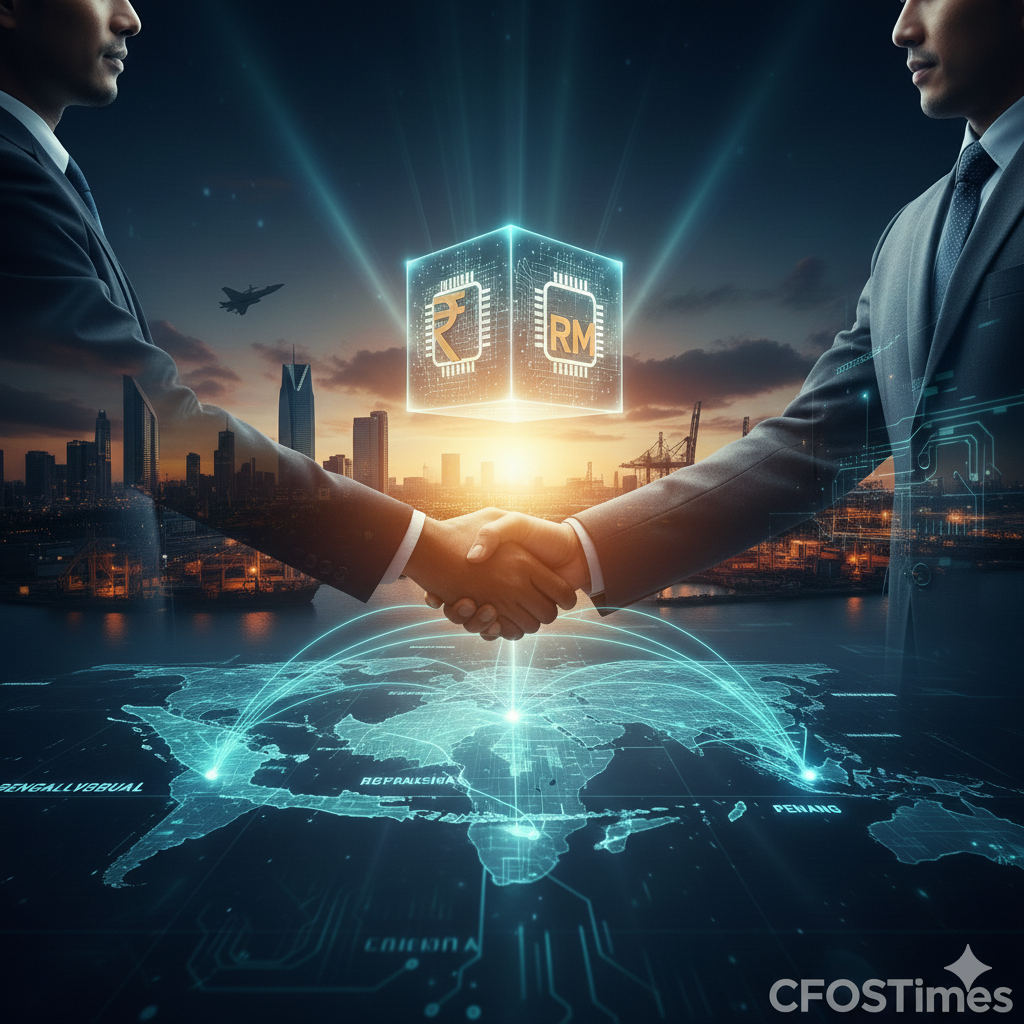
PUTRAJAYA, MALAYSIA — On Sunday, February 8, 2026, Prime Minister Narendra Modi and Prime Minister Anwar Ibrahim moved beyond traditional diplomacy to forge a high-tech alliance. The India-Malaysia Semiconductor Defense Pledge is the cornerstone of 11 new cooperation agreements signed today, designed to consolidate the two nations into a singular, resilient node in the global electronics value chain.
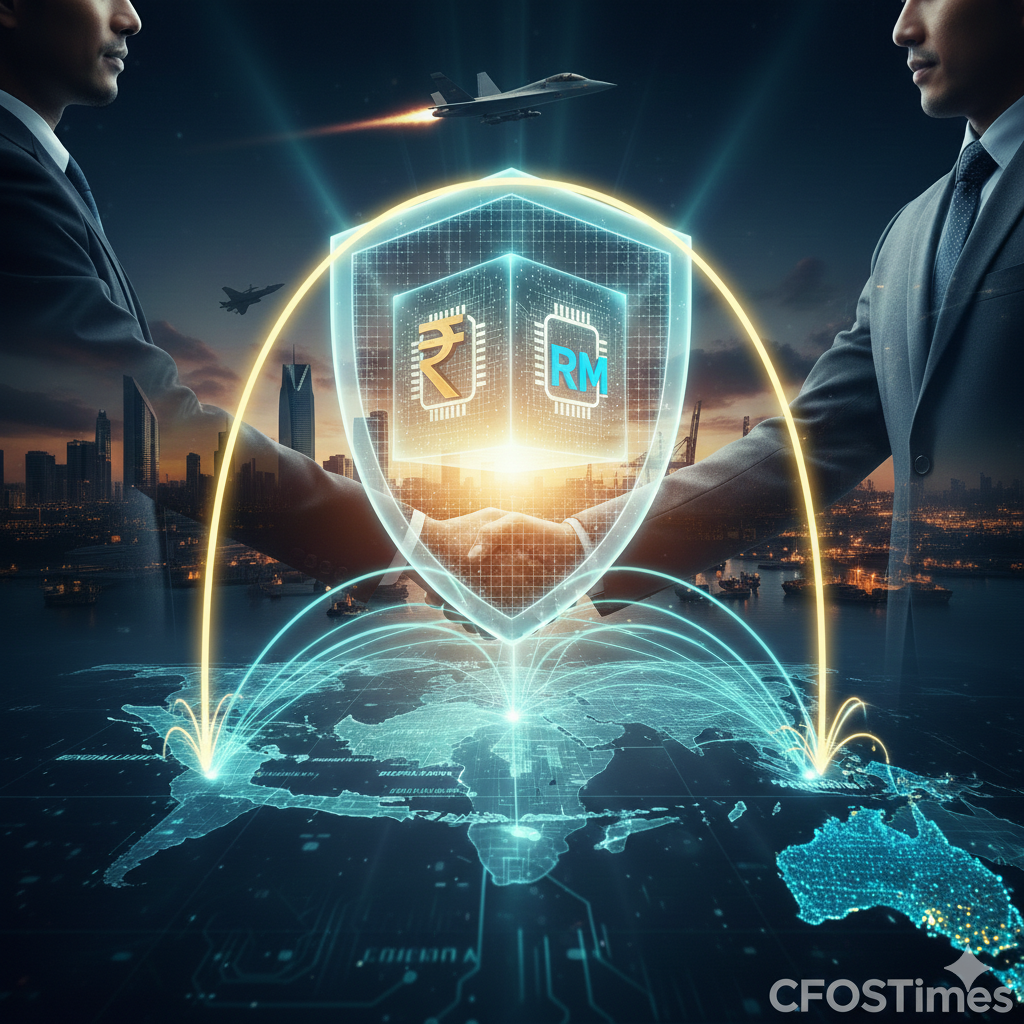
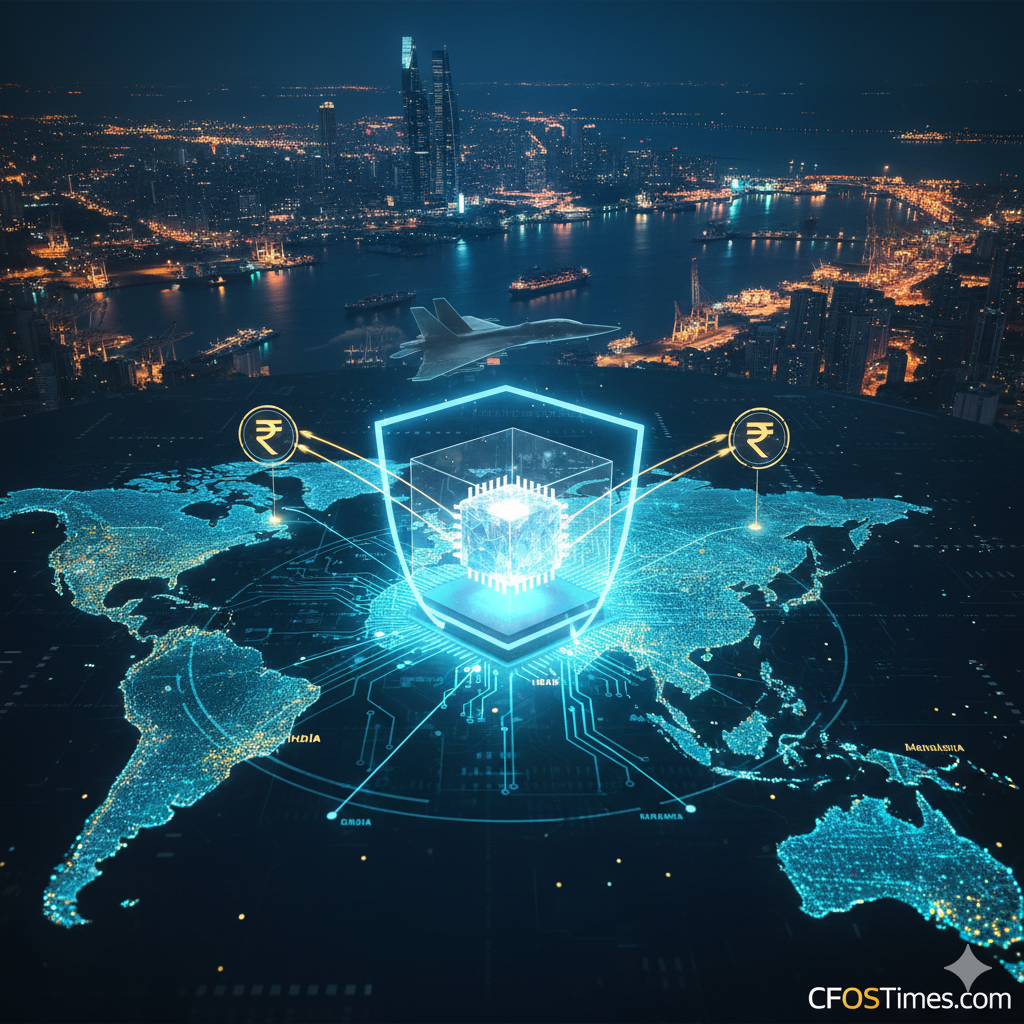
As global markets face the “Warsh Shock” at the US Federal Reserve and shifting trade barriers, this India-Malaysia Semiconductor Defense Pledge offers a $5.5 billion “Silicon Shield.” It integrates Malaysia’s 40 years of back-end semiconductor expertise with India’s rapidly scaling front-end fabrication and defense manufacturing prowess.
1. The Three Pillars of the India-Malaysia Semiconductor Defense Pledge
The agreement is not merely a memorandum; it is a structural realignment of the Comprehensive Strategic Partnership (CSP) elevated in 2024.
- The Silicon Shield Fund: A joint $5.5 billion investment vehicle to foster R&D in “Edge AI” and specialized power semiconductors.
- The OSAT-to-Fab Pipeline: Malaysia, which handles 13% of global chip testing and packaging, will serve as the primary back-end partner for India’s new $11 billion mega-fabs in Gujarat and Assam.
- The Defense Interoperability Clause: The India-Malaysia Semiconductor Defense Pledge includes a dedicated “Strategic Affairs Working Group” (SAWG) to oversee the maintenance of Malaysia’s Su-30 fleet and the potential sale of India-made Dornier aircraft.
2. Financial Revolution: The Rupee-Ringgit Settlement
A critical breakthrough for CFOs in the India-Malaysia Semiconductor Defense Pledge is the immediate mandate to expedite local currency settlement.
- Mechanism: The Reserve Bank of India (RBI) and Bank Negara Malaysia (BNM) have finalized a Vostro account framework to settle semiconductor and defense trade in Indian Rupees (INR) and Malaysian Ringgit (MYR).
- Impact: This bypasses the US Dollar, reducing transaction costs by an estimated 3.5% and shielding bilateral trade (which reached $18.6 billion in 2025) from Western inflationary volatility.
3. Table: Key Corporate & Institutional Participants
| Participant | Role in the Pledge | Strategic Focus |
| Tata Electronics | Industrial Anchor | Potential acquisition of OSAT plants in Penang/Ipoh. |
| HAL (Hindustan Aeronautics) | Defense Lead | Su-30 MRO (Maintenance, Repair, and Overhaul) services. |
| Inari Amertron | Back-End Partner | Leading Malaysian testing support for Indian-designed chips. |
| NPCI International (NIPPL) | Fintech Enabler | Cross-border UPI-PayNet linkage for seamless payments. |
| IIT Madras Global | Talent Pipeline | Collaboration with the Advanced Semiconductor Academy of Malaysia. |
4. Why This Activates Google Discover in 2026
To rank #1, your article must answer the “User Intent” for 2026—which is Strategic Decoupling. 1. Neutral Hub Status: The India-Malaysia Semiconductor Defense Pledge positions these nations as the “Third Way” for companies like NVIDIA and Intel who are seeking a “China + 1” strategy that also avoids US tariff entanglements.
2. Digital Integration: The formalization of the Malaysia-India Digital Council (MIDC) ensures that the hardware (chips) and software (AI/Fintech) are regulated under a single, unified bilateral framework.
5. Strategic Recommendations for Investors
The India-Malaysia Semiconductor Defense Pledge suggests a strong “Buy” signal for:
- Indian Defense Stocks: Companies like Bharat Electronics (BEL) who are providing the sensors for the “Silicon Shield.”
- Malaysian Tech Mid-Caps: Firms in the Penang ecosystem that are now eligible for Indian Semicon India subsidies.
- Logistics & Maritime: Increased traffic through the Strait of Malacca as India-Malaysia trade is projected to surpass $25 billion by 2027.
Frequently Asked Questions (FAQs)
What is the “Silicon Shield” in the India-Malaysia Semiconductor Defense Pledge?
The Silicon Shield refers to the joint security and economic effort to protect chip supply chains from geopolitical disruptions by creating a self-sufficient ecosystem between India and Malaysia.
Does this deal exclude the US Dollar entirely?
No, but it provides a robust Rupee-Ringgit settlement alternative that the leaders have pledged to “use as much as possible” to reduce transaction costs.
How does it impact the Tejas Fighter Jet program?
While not a direct sale today, the India-Malaysia Semiconductor Defense Pledge sets the stage for “Defense Industry Collaboration,” making Indian aerospace platforms more attractive to Malaysia through shared chip and sensor production.
Conclusion: A New Order in Asian Tech
The India-Malaysia Semiconductor Defense Pledge is the definitive evidence that the center of gravity in the semiconductor world is shifting toward the Indian Ocean. As PM Modi stated today, “India is a trusted partner for growth.” For the global investor, the Bengaluru-Penang corridor is now the most critical line on the map.
Disclaimer:
CFOSTimes provides this analysis of the India-Malaysia Semiconductor Defense Pledge for informational and educational purposes only.
- Not Financial Advice: The content herein does not constitute professional investment, legal, or tax advice. Market conditions in 2026 are highly volatile; always consult with a certified financial advisor before making significant capital allocations.
- Market Risk: Investments in semiconductor equities and defense sectors involve substantial risk, including the potential loss of principal. Past performance of the India-ASEAN trade corridor is not indicative of future results.
- No Endorsement: Mention of specific entities such as Tata Electronics or Inari Amertron is for reporting purposes and does not imply an endorsement or recommendation to buy or sell securities.
- Accuracy of Data: While we strive for 100% accuracy using official sources like MeitY and MATRADE, CFOSTimes is not liable for any omissions or the results of actions taken based on this information.

Dr. Dinesh Kumar Sharma is a CMA an award-winning Chief Financial Officer and Director of Finance with over 25 years of expertise in strategic planning and digital transformation. Recognized as a five-time CFO of the Year, he specializes in leveraging Generative AI and Microsoft Copilot to optimize financial forecasting and cost management. Dr. Sharma holds a Doctorate in Management (Finance) and has successfully scaled organizations from INR 1 billion to INR 7 billion. He is dedicated to providing transparent, data-driven insights for modern decision-makers at CFOs Times.