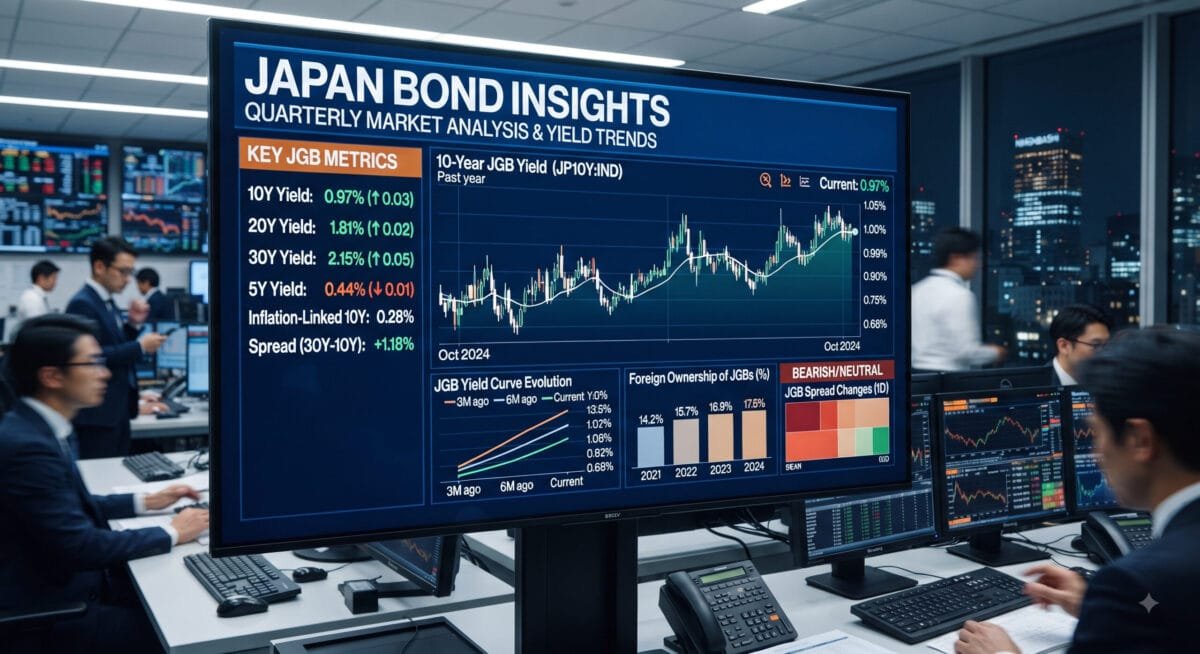
Warren Buffett Japan bond issuances have once again captured the attention of global financial markets. Far from signaling an impending economic collapse or a sudden flight from Asian markets, Berkshire Hathaway’s strategic debt offerings in Japan represent a masterclass in long-term macro investing and natural currency hedging.
This post provides an in-depth analysis of Berkshire Hathaway’s multi-billion-yen bond activities, examining how low interest rates, equity investments in major trading houses, and sophisticated capital management drive this ongoing strategy, with official insights referenced through the Bank of Japan.

Table of Contents
Understanding Berkshire Hathaway’s Yen Bond Strategy
Berkshire Hathaway has maintained an active presence in Japan’s debt capital markets since 2019. Rather than “dumping” bonds or fleeing the country, Berkshire routinely issues and sells new yen-denominated corporate bonds to institutional investors.
When a multinational conglomerate issues debt denominated in a foreign currency, it is effectively borrowing that currency. For Berkshire, taking on liabilities in Japanese yen is a calculated maneuver. If the Japanese economy or currency were destined for catastrophic collapse, holding massive amounts of yen-denominated debt would run counter to basic risk management. Instead, this borrowing strategy is designed to fund lucrative, cash-flowing equity positions within the region. Warren Buffett Japan bond
The Power of the Natural Currency Hedge
A cornerstone of Buffett’s Japanese investment thesis is the creation of a natural hedge against currency volatility.
- Avoiding Conversion Risks: By borrowing yen directly through bond issuances, Berkshire funds its purchases of Japanese equities without converting U.S. dollars. This insulates the portfolio from wild fluctuations in the USD/JPY exchange rate.
- Yield Dynamics: Japanese interest rates have historically remained low compared to Western economies. The dividend yields generated by major Japanese blue-chip companies—such as Japan’s five premier trading houses—comfortably cover the low interest payments owed on the bonds.
- Long-Term Commitment: Buffett has repeatedly emphasized his long-term outlook for Japanese equities, viewing the low-rate environment as an advantageous mechanism to finance high-quality assets. Warren Buffett Japan bond
Refinancing and Expanding Portfolio Stakes
Many of Berkshire’s large-scale multi-tranche yen bond offerings are timed strategically to refinance older debt maturities while simultaneously securing capital for potential equity expansions. Berkshire’s notable stakes in companies like Itochu, Mitsubishi, Mitsui, Sumitomo, and Marubeni showcase a deliberate pivot toward foundational trading and industrial giants that anchor global supply chains. Warren Buffett Japan bond
Global Market Context: Navigating Currency and Debt Pressures
While global financial media frequently sensationalizes bond issuances as indicators of systemic distress, institutional capital management is rarely driven by panic. Central banks, regulatory bodies like the Bank of Japan, and global institutions constantly monitor liquidity and currency stability. Berkshire’s systematic debt management reflects a deep alignment with macroeconomic realities rather than speculative fear.
Conclusion-Warren Buffett Japan bond
The narrative that Warren Buffett is panicking or dumping Japanese assets crumbles under basic financial scrutiny. Berkshire Hathaway’s ongoing yen bond issuances are a continuation of one of the most disciplined, calculated, and successful cross-border investment strategies in modern financial history. By leveraging low-cost debt to acquire high-yield Japanese equities while naturally hedging currency risk, Berkshire continues to demonstrate exceptional capital allocation.
Frequently Asked Questions (FAQs)- Warren Buffett Japan bond
1. Is Warren Buffett selling or issuing Japanese bonds? Berkshire Hathaway issues and sells new yen-denominated bonds to borrow Japanese yen, which it uses to fund investments in Japanese equities.
2. Why does Berkshire Hathaway borrow in Japanese yen? Borrowing in yen allows Berkshire to take advantage of low interest rates and create a natural currency hedge for its multi-billion-dollar investments in Japanese trading houses.
3. What companies does Berkshire invest in within Japan? Berkshire Hathaway holds substantial stakes in Japan’s major general trading companies, including Itochu, Mitsubishi, Mitsui, Sumitomo, and Marubeni.
4. Does this strategy protect against currency fluctuations? Yes. By funding Japanese asset purchases with yen-denominated debt rather than U.S. dollars, Berkshire minimizes the direct impact of exchange rate volatility.
Meta Description
Meta Description: Discover the truth behind the Warren Buffett Japan bond strategy, analyzing why Berkshire Hathaway issues yen debt for equity investments and natural hedging.
Disclaimer for cfostimes.com
Disclaimer: The content published on cfostimes.com is intended solely for informational, educational, and analytical purposes. It does not constitute professional financial, investment, tax, or legal advice. While all economic data and market updates are sourced from reputable channels, macroeconomic trends are subject to rapid and unforeseen changes. cfostimes.com, its editors, and contributors assume no liability for any financial decisions or losses incurred based on the information provided herein. Always consult with a qualified financial advisor before executing investment strategies.

Dr. Dinesh Kumar Sharma is a CMA an award-winning Chief Financial Officer and Director of Finance with over 25 years of expertise in strategic planning and digital transformation. Recognized as a five-time CFO of the Year, he specializes in leveraging Generative AI and Microsoft Copilot to optimize financial forecasting and cost management. Dr. Sharma holds a Doctorate in Management (Finance) and has successfully scaled organizations from INR 1 billion to INR 7 billion. He is dedicated to providing transparent, data-driven insights for modern decision-makers at CFOs Times.










2 thoughts on “3 Best Warren Buffett Japan Bond Insights-Why It is Important”