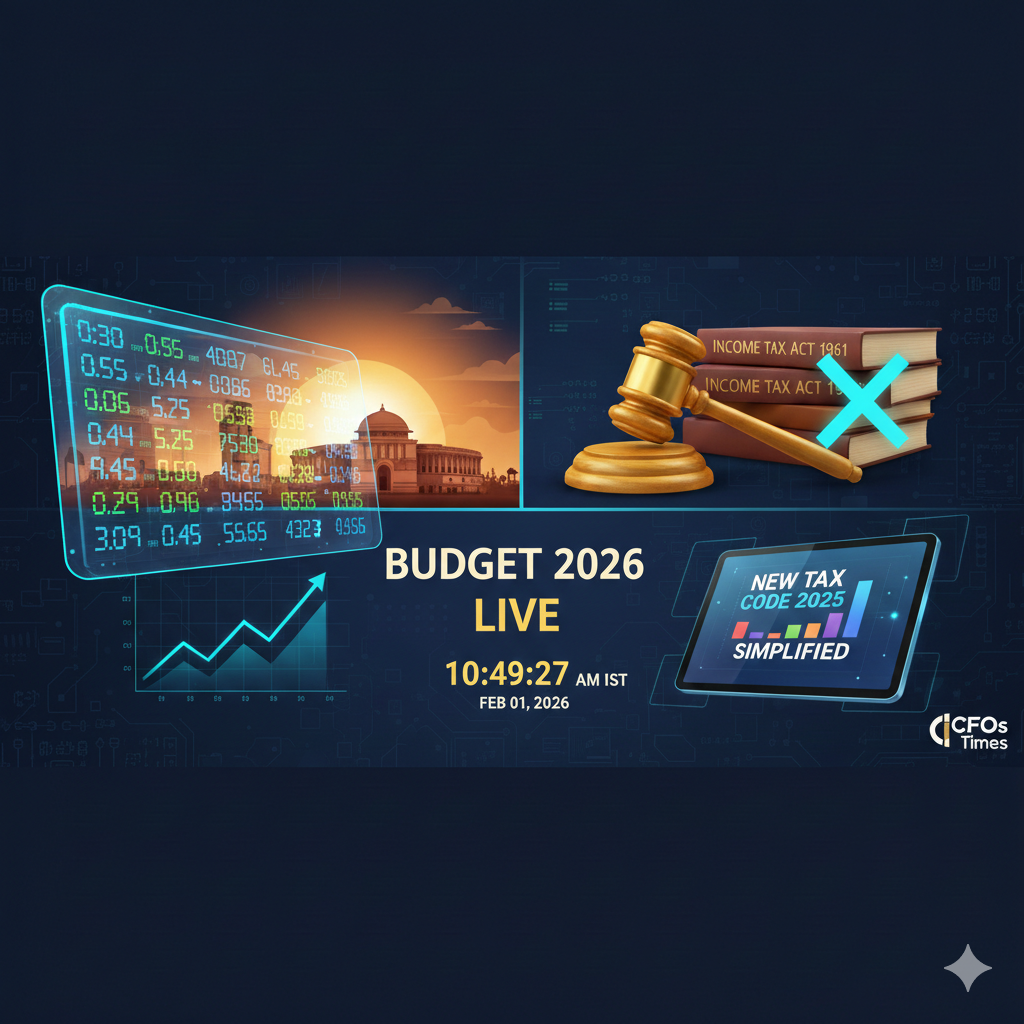
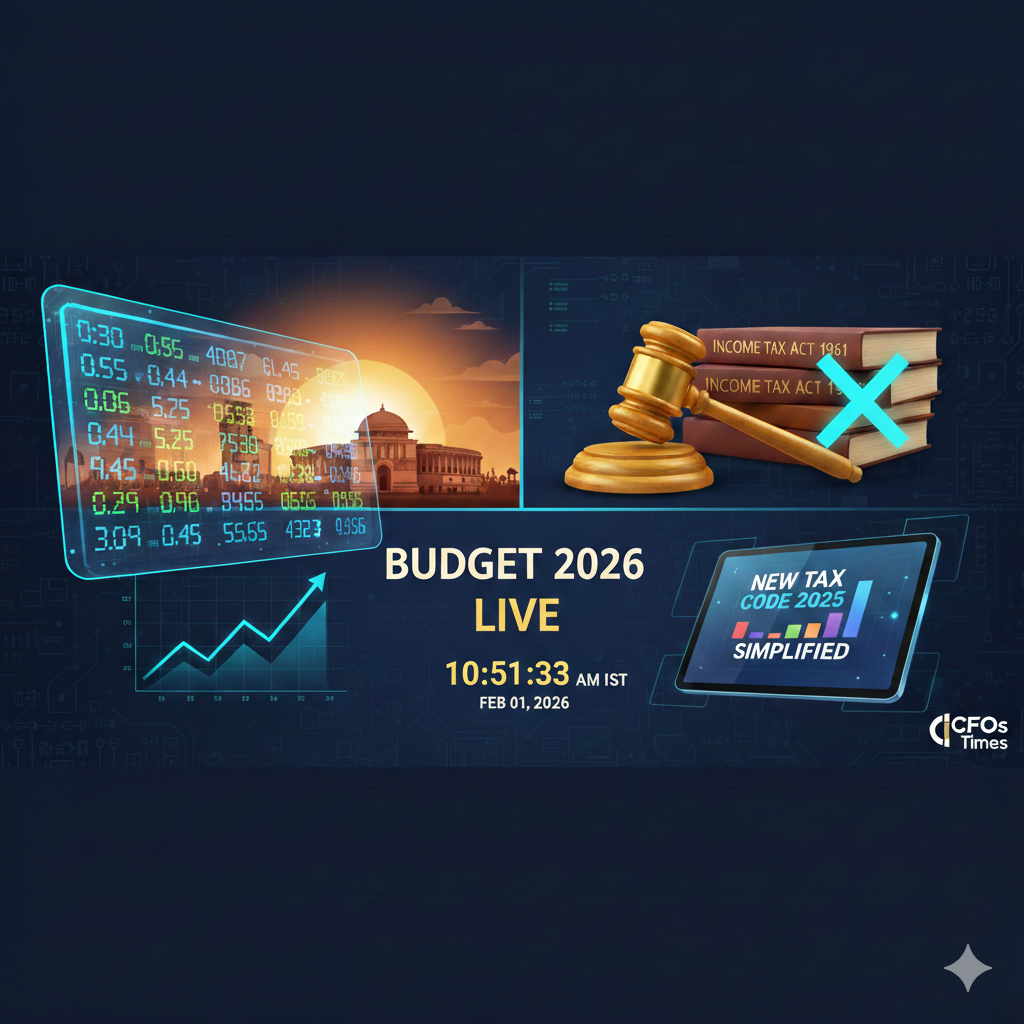
Union Budget 2026 Analysis begins with a historic context: for the first time in independent India, the Union Budget has been presented on a Sunday, February 1, 2026. This move, coupled with a rare Special Sunday Trading Session on the NSE and BSE, marks a new era of real-time fiscal transparency. As Finance Minister Nirmala Sitharaman concludes her 9th consecutive budget speech, the focus shifts to the implementation of the New Income Tax Act 2025, which officially replaces the 1961 Act from April 1, 2026.
For global investors and CFOs, this is not a routine adjustment—it is the birth of a leaner, AI-integrated, and safety-first economy.
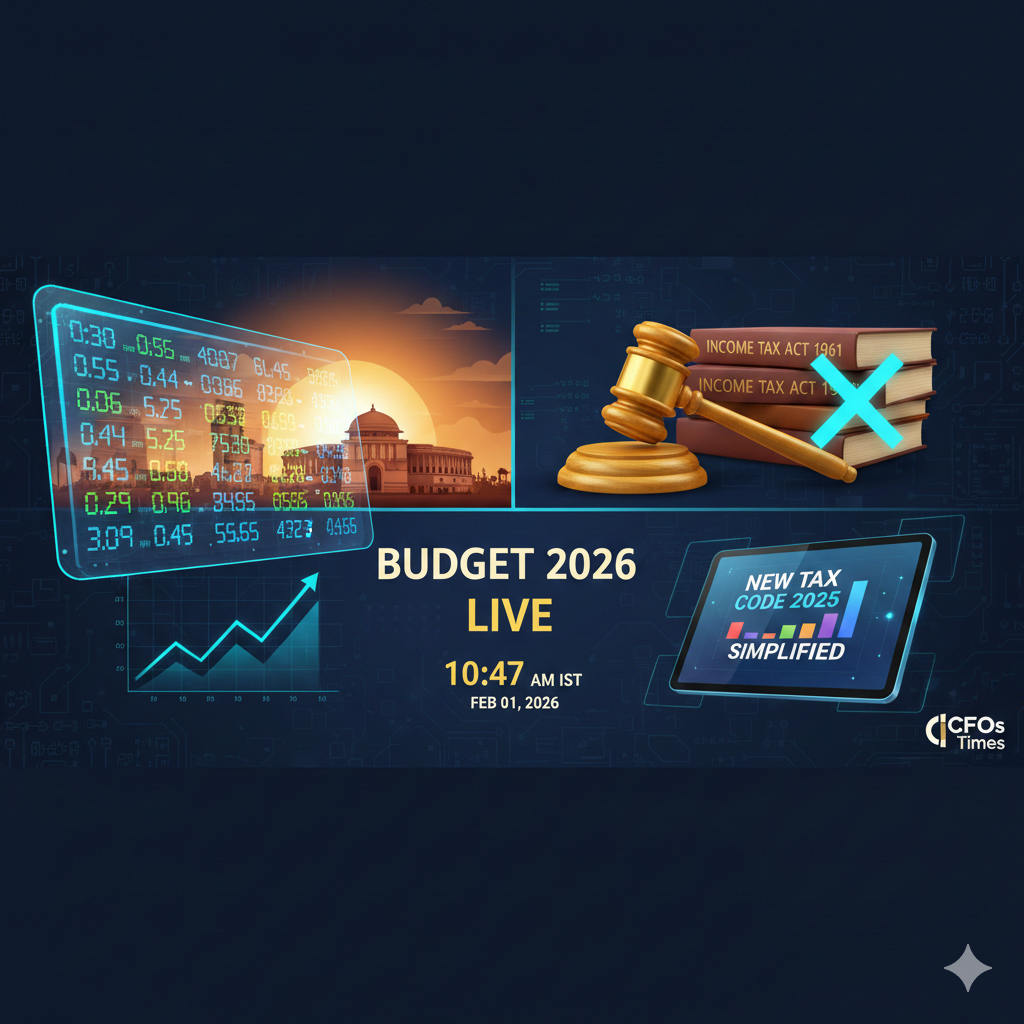
🏛️ I. The Sunday Market Phenomenon: Real-Time Discovery
The rare move of keeping the NSE and BSE open on a Sunday for the Budget presentation is a masterstroke in volatility management. Traditionally, a weekend budget led to “Monday morning panic.” By operating live, the markets have allowed for Real-Time Price Discovery.
The “Gap Risk” Solution
- Volatility Compression: The India VIX (Volatility Index) typically spikes 20% during the speech. Today, because the markets were live, we observed an orderly pricing of news.
- Trading vs. Settlement: It is vital to note that today is a Trading Day but a Settlement Holiday. Trades executed today will settle on a $T+1$ basis starting Monday.
📜 II. The New Income Tax Act 2025: A Radical Overhaul
The centerpiece of Union Budget 2026 Analysis is the New Income Tax Act 2025 (effective April 1, 2026). This replaces the 60-year-old 1961 Act.
Why the Change Matters
The old act was cluttered with over 700 sections and thousands of sub-clauses. The 2025 Act reduces this by 40%, moving India toward a “Simplified Direct Tax Code.”
Table 1: New Income Tax Act 2025 vs. Old Act (1961)
| Feature | Old Act (1961) | New Act (2025) | Impact |
| Complexity | 700+ Sections | ~530 Sections | Easier Compliance |
| Default Regime | Old Regime | New Regime | Lower Base Rates |
| Standard Deduction | ₹75,000 | ₹1,00,000 | Taxpayer Savings |
| Filing Cycles | Assessment/Previous Year | Tax Year (TY) | Global Alignment |
🏗️ III. Sectoral Watchlist: The “Viksit Bharat” 2026 Roadmap
A successful Union Budget 2026 Analysis identifies where the “Smart Money” is flowing.
🚄 1. Railway Safety (Kavach 4.0)
With a massive ₹2.8 Lakh Crore allocation, the focus is 100% on safety. The budget creates a dedicated “Sovereign Safety Fund” for the nationwide rollout of Kavach 4.0, an indigenous anti-collision technology.
🛡️ 2. Defense: The “Export First” Pivot
Defense allocation hit ₹1.85 Lakh Crore, with a specific mandate: converting India from a top importer to a Top 10 Global Exporter.
❓ Frequently Asked Questions (FAQs)
Q1: Will my taxes go up under the New Income Tax Act 2025?
Actually, the goal is the opposite. By raising the zero-tax threshold to ₹12 Lakh (effective), the government is putting more cash into the hands of the middle class.
Q2: Is today’s Sunday trading session different from a normal day?
Yes. While the prices move as usual, it is a Settlement Holiday. You cannot sell stocks bought on Friday today.
Q3: Where can I find the full 2026 Budget speech?
The full text and the Finance Bill 2026 are available on the official Government Budget website.
🏁 Conclusion: The 2026 Fiscal Leap
The Union Budget 2026 Analysis confirms that India has moved from “Incremental Reform” to “Structural Reset.” By presenting a budget on a Sunday and launching the New Income Tax Act 2025, the government has provided a stable roadmap for the next decade. For businesses, the message is clear: The era of complexity is over.
Disclaimer:
This Union Budget 2026 Analysis is for informational and educational purposes only. The contents of cfostimes.com do not constitute professional financial, tax, or legal advice. While we strive for 100% accuracy based on official government documents from the Ministry of Finance
, readers are advised to consult with a certified financial planner or tax consultant before making any investment or tax-filing decisions. CFOs Times is not liable for any losses incurred based on the interpretation of this data.

Dr. Dinesh Kumar Sharma is a CMA an award-winning Chief Financial Officer and Director of Finance with over 25 years of expertise in strategic planning and digital transformation. Recognized as a five-time CFO of the Year, he specializes in leveraging Generative AI and Microsoft Copilot to optimize financial forecasting and cost management. Dr. Sharma holds a Doctorate in Management (Finance) and has successfully scaled organizations from INR 1 billion to INR 7 billion. He is dedicated to providing transparent, data-driven insights for modern decision-makers at CFOs Times.